Jack Ripper Review: Is This Philly Escape for You?
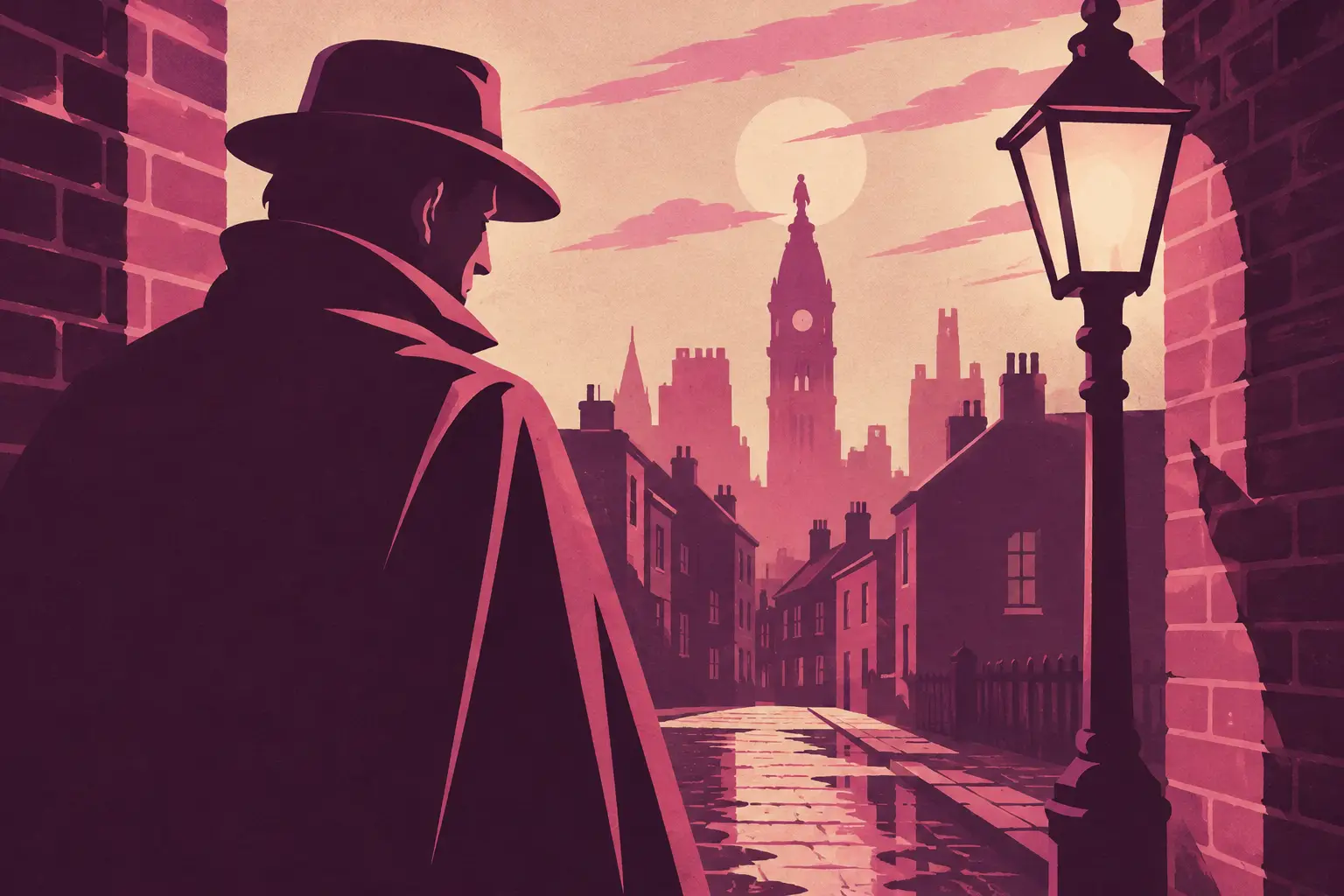
A useful Jack Ripper review should do more than call a room scary or fun. If you are choosing a group activity near South Street, the real question is whether a 60-minute horror mystery will suit the people standing beside you when the door closes. MindEscape’s Jack the Ripper is built for teams of 2 to 8 who want atmosphere, discovery, and a shared challenge with a darker edge.
That makes it a strong option for some groups and a less natural fit for others. Before you choose it, consider what your group wants from the hour: tense storytelling, active collaboration, a mystery to untangle, or a lighter social activity where nobody has to lean into a spooky setting.
Jack Ripper review: what the experience is designed to deliver
Jack the Ripper is a horror and mystery escape-room experience, not a historical lecture and not a graphic true-crime reenactment. The appeal is the theatrical mood: your team enters a story, searches for meaning in the details around you, and works under a ticking clock toward an objective.
The room asks for the kind of attention that makes escape games memorable. One person may notice a pattern, another may connect information, and someone else may keep the team moving when a promising idea turns into a dead end. You do not need to arrive as a puzzle expert, but you should arrive ready to communicate.
The horror label matters. It signals a darker tone and suspenseful setting rather than a casual, brighthearted game. Guests who enjoy mysteries, eerie environments, and the satisfying pressure of a 60-minute mission often find that combination especially rewarding. Guests who strongly dislike unsettling themes may have more fun in a different room, even if they are excellent puzzle solvers.
Who should choose Jack the Ripper?
This room tends to work best when the theme is part of the reason your group is booking. A couple planning a date night can enjoy the built-in conversation and shared problem-solving. Friends who have already done a few escape rooms may appreciate a setting that feels more dramatic than a standard game night. Visitors looking for a distinctly Philadelphia group activity can also use it as a memorable stop before or after time around South Street.
For a birthday group, ask one practical question before you book: will everyone be comfortable with a horror-mystery atmosphere? A group does not need identical tastes, but it helps when the theme has broad support. If several guests would rather avoid suspenseful surroundings, choosing a different experience can protect the occasion from becoming a compromise.
Families should make the same judgment based on the individual people attending, rather than assuming that a mystery is automatically right for every age or comfort level. Parents and organizers know their group best. Think about how the guests usually respond to scary movies, dark stories, and surprise tension, then choose accordingly.
Corporate teams can get a lot from an escape room because the format makes communication visible. Still, Jack the Ripper is not the default choice for every workplace group. The theme should fit the team culture and the purpose of the outing. If the goal is to give colleagues a high-energy, story-driven challenge and the group is comfortable with horror, it can be a compelling choice. If you need an accessible, more adventure-focused option for a larger team, Thai Prison Escape accommodates 2 to 12 players and has puzzles that can be played while seated.
What makes a horror mystery different from a hard puzzle room
Theme changes the way your team processes the room. In a horror mystery, the setting can create urgency before anyone finds the first meaningful clue. That is part of the entertainment, but it can also affect how people communicate. The best teams name what they see, say what they have tried, and avoid holding onto a theory just because it sounded convincing five minutes ago.
You do not need to be loud or fast to contribute. Careful observers are valuable in every escape room, especially when the story asks you to distinguish useful information from atmosphere. Someone who takes a moment to organize ideas can be just as helpful as the friend who wants to test every possibility immediately.
The trade-off is simple: guests seeking a purely abstract puzzle challenge may prefer a room based on another theme, while guests who want their puzzles wrapped in a tense narrative may find Jack the Ripper more involving. Neither preference is better. It comes down to whether your group wants the story to shape the mood of the game.
How to prepare your team without spoiling the fun
Preparation does not mean researching the story or looking for answers online. In fact, doing so can flatten the discoveries that make an escape room worth playing. A better approach is to set expectations with your group before you arrive.
Tell everyone that the game is collaborative. Splitting up to explore can help, but reporting back is essential. If you find something that seems odd, mention it. If you use an item or solve part of a task, let the team know. The most common source of frustration is not a difficult clue. It is useful information sitting quietly with one person while everyone else searches somewhere else.
It also helps to agree that you will reset quickly after a wrong turn. Escape rooms reward experimentation, but not endless repetition. When an approach is not working, pause, share the evidence, and assign fresh eyes to the problem. That small habit keeps the room moving and prevents one confident voice from accidentally steering the entire group into a corner.
For a group of two, stay verbally connected rather than working in silence at opposite ends of the space. For larger teams, avoid crowding one clue just because it looks urgent. Give people room to inspect different areas, then regroup often enough to combine what everyone has found.
A candid fit check before booking
Choose Jack the Ripper if your group wants a 60-minute escape experience with suspense, mystery, and theatrical storytelling. It is especially well suited to friends, couples, and experienced players who enjoy a darker theme as much as they enjoy the puzzles themselves.
Consider another MindEscape room if your group needs a wheelchair-accessible experience, prefers a less ominous premise, or includes guests with sensory or mobility questions that need advance planning. Thai Prison Escape offers an adventure format with seated-play puzzle access. Little Greenhouse of Horrors is another mystery-horror choice for 2 to 8 players, with wheelchair accessibility, but it includes flashing lights and scents or aromas. Contact MindEscape before booking that room if your group has mobility or sensory needs.
There is no prize for selecting the most intense theme. The right room is the one that gives every guest a reason to participate, laugh, speculate, and celebrate the small breakthroughs together.
What to expect from the hour
Expect to be active. You will search, discuss, test ideas, and make decisions with limited time. Expect the story to set the tone, but do not expect to need prior knowledge of Jack the Ripper to take part. The experience is designed as a group game, not a trivia test.
Also expect your team to have different strengths. The person who says, “What if these two details belong together?” may create the breakthrough. The person who keeps track of what has already been tried may save valuable minutes. When everyone treats observations as team property, the room becomes more satisfying for both first-timers and regular escape-room players.
If the idea of a shadowy mystery makes your group lean closer instead of back away, Jack the Ripper is a fitting Philadelphia escape-room choice. Gather people who will communicate, keep an open mind, and enjoy the suspense together. The clock will take care of the rest.