Is Jack Ripper Intense? A Calm Guide for Groups
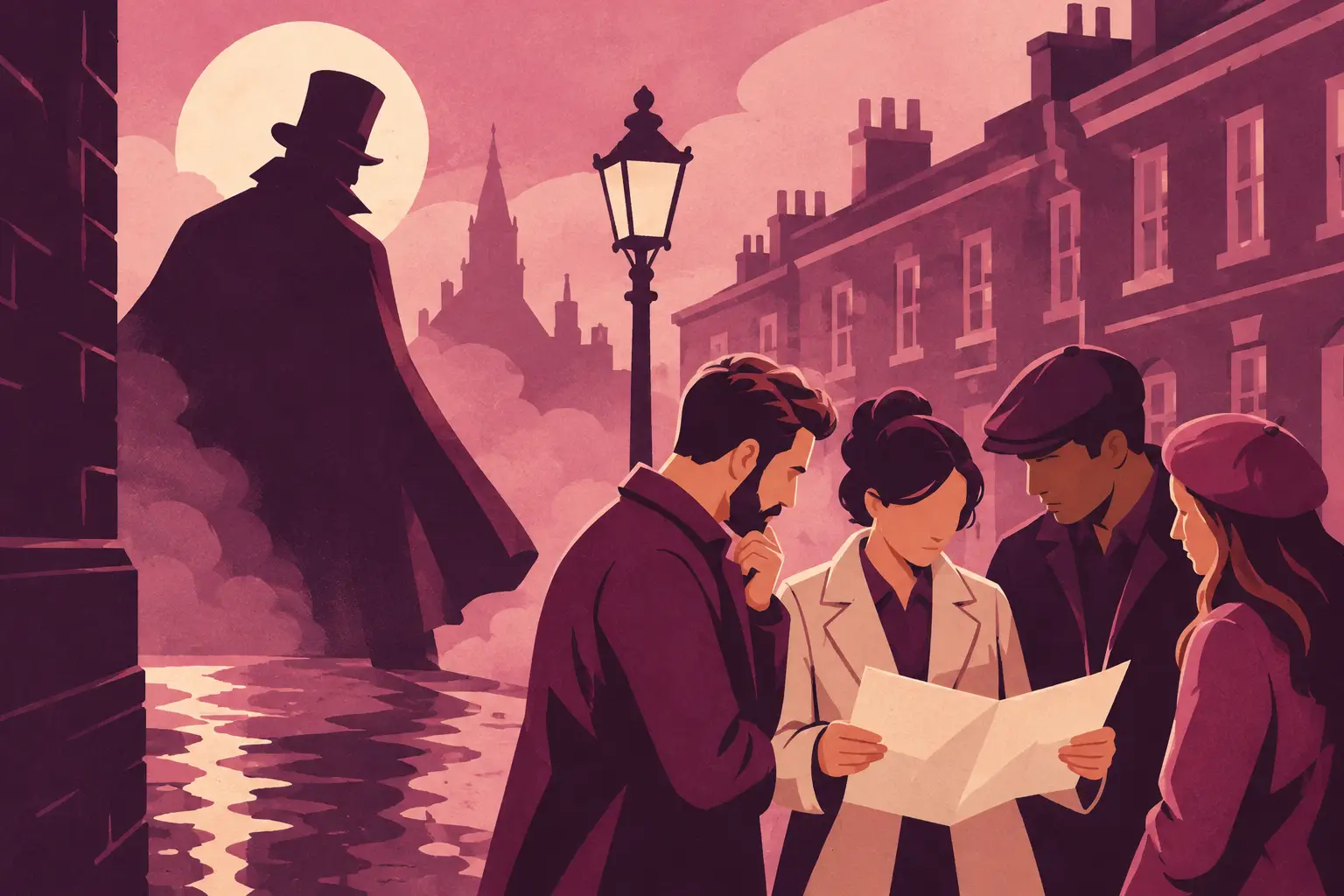
If you have searched, "is Jack Ripper intense," you are probably not looking for a lecture on Victorian history. You want to know what your group will feel when the door closes: entertained, uneasy, overwhelmed, thrilled, or somewhere in between. MindEscape's Jack the Ripper is a horror-mystery escape room, so tension is part of the experience. But intense does not mean the same thing to every player.
For some groups, intensity comes from a darker story and a suspenseful setting. For others, it is the 60-minute clock, the pressure to communicate, and the realization that every clue matters. The useful question is not simply whether the room is intense. It is whether its kind of intensity fits the people coming with you.
Is Jack Ripper intense for first-time players?
It can be, especially if your group is new to escape rooms or prefers lighter entertainment. Jack the Ripper is built around horror and mystery, which creates a more ominous mood than a straightforward adventure theme. That atmosphere is intentional. You are entering a theatrical game with a dark premise, not a casual puzzle lounge.
Still, an intense theme does not require escape-room experience. First-time players often do well when they arrive ready to talk through ideas out loud, look carefully at the space, and ask for help when they get stuck. The room is a shared activity, not a test you must solve alone. A calm teammate who keeps the group communicating can make a suspenseful game feel exciting rather than stressful.
The clock can add another layer. Sixty minutes moves quickly when everyone has an idea at once. That is often where beginners feel the biggest rush: not from the theme itself, but from trying to organize clues, make decisions, and stay on the same page. If that sounds fun, the intensity is likely part of the appeal.
What kind of intense are you asking about?
People use the word "intense" for several different things, and separating them makes planning easier.
Atmospheric intensity
Jack the Ripper has a horror-mystery identity. Expect a darker, more suspenseful tone than you would choose for a purely playful or whimsical group outing. The story and environment are meant to create anticipation and keep your attention focused. If someone in your group dislikes ominous themes, true-crime associations, or being placed in a tense fictional scenario, that preference is worth taking seriously before you book.
Atmosphere is also personal. One guest may love an eerie mystery because it makes each discovery feel more dramatic. Another may find that same mood distracting. Neither reaction means they are bad at escape rooms. It simply means theme matters as much as difficulty when choosing a game.
Team-pressure intensity
An escape room gives your group a common objective and limited time. That can bring out different habits fast. One person starts searching, another wants to study the story, and someone else begins connecting patterns. When communication is working, that energy feels electric. When people talk over one another, it can feel more stressful than the room's horror elements.
The best way to lower this type of intensity is simple: agree at the start that every observation is worth saying. Avoid appointing one person as the permanent leader. Split up when useful, then regroup whenever a discovery might connect to something another teammate has found. You do not need to be quiet or perfectly organized. You need to share information.
Personal comfort intensity
A theme can land differently for guests with sensory sensitivities, anxiety around frightening material, or a low tolerance for suspense. We recommend that the person organizing the outing check in with the whole group rather than assuming everyone is comfortable because a few people are enthusiastic. A birthday guest, a date, or a coworker should not have to pretend they are having fun.
If you have a specific comfort or accessibility question before choosing a room, contact MindEscape directly. A brief conversation before your visit is much better than learning mid-game that the mood is not a match for someone in your party.
Who tends to enjoy the Jack the Ripper room?
This room is a strong fit for friends who like mysteries with a darker edge, couples looking for a more suspenseful shared challenge, and experienced escape-room players who want theatrical storytelling alongside group problem-solving. It can also work well for a birthday group when the guest of honor actively enjoys horror or mystery themes.
The group size matters because energy changes with more people. A smaller group may feel every decision more sharply and spend more time together on each lead. A larger group can create momentum, with more eyes searching and more people available to test ideas. Jack the Ripper accommodates two to eight players, so the right number depends on how your group likes to collaborate rather than on a single ideal formula.
For a first date, this kind of intensity can be useful if both people enjoy a little suspense. You have a clear shared task, natural conversation, and plenty of moments to cheer each other on. If one person is unsure about horror, though, choose the room based on that hesitation, not on the assumption that they will warm up once the game begins.
Families should make the same theme-first decision. Do not treat an escape room's puzzle format as a guarantee that every story is right for every family member. Discuss the horror-mystery premise in advance and choose an experience everyone can approach comfortably.
How to make a suspenseful game feel more manageable
You do not need special skills or a fearless personality to enjoy a darker room. A few practical choices can change the tone of the experience.
Arrive as a team, not as a collection of solo puzzle solvers. Before the game begins, decide that anyone can call attention to an object, a number, a word, or a connection that seems odd. The fastest groups are rarely the ones with one genius player. They are the ones that keep information moving.
Give yourselves permission to use hints. Some guests treat a hint as defeat, then spend too long circling one idea while the clock keeps moving. In a 60-minute experience, a timely nudge can restore momentum and reduce frustration. The goal is to enjoy the story and the teamwork, not to prove that you never needed guidance.
It also helps to frame the room correctly. You are participating in a designed game with theatrical storytelling. Let the suspense do its job, but do not turn every uncertain moment into a personal challenge to endure. If the room's tone is fun for you, lean into it. If it is not, there are other ways to enjoy an in-person escape room in Philadelphia.
When another MindEscape room may be the better call
Choosing a different room is not settling for less. It is good group planning.
Thai Prison Escape offers an adventure-focused alternative for groups that want urgency and teamwork without choosing a horror-mystery theme. It accommodates two to twelve players, which can make it a practical option for a larger gathering. Its puzzles can be played while seated, an important detail for groups considering mobility needs.
Little Greenhouse of Horrors is another horror option, but it is described as a harder botanical mystery. It is not the automatic choice for someone trying to avoid intensity simply because the setting sounds less historical. The room includes flashing lights and scents or aromas, so guests with mobility or sensory questions should contact MindEscape before booking. Its puzzles are playable seated.
The comparison is not about which room is tougher or better. It is about what your group wants from the hour. Jack the Ripper is for players drawn to a dark mystery and the suspense that comes with it. Thai Prison Escape may suit a broader, larger team seeking an adventure setup. Little Greenhouse of Horrors may appeal to players who actively want a harder horror experience and are comfortable with its stated sensory elements.
Set the expectation before your group arrives
The organizer has the easiest way to prevent a mismatch: tell people the theme plainly. Say that Jack the Ripper is a horror-mystery escape room with a suspenseful atmosphere, then give everyone room to speak up. That message is more helpful than calling the game "not too scary" or insisting it will be fine. Those phrases mean different things to different people.
If your group is interested but mixed on the horror element, ask each person what they mean by intense. Are they concerned about darkness, unsettling stories, loud or sudden moments, time pressure, or simply not knowing what will happen? Specific questions lead to better decisions, and they keep the conversation spoiler-free.
A great escape-room memory usually comes from the moment your group realizes it is working together: someone notices a detail, someone else connects it to an earlier clue, and the whole room shifts from uncertainty to momentum. If your crew enjoys suspense as part of that feeling, Jack the Ripper may be exactly the right kind of intense.