10 Things to Do With Coworkers Philadelphia
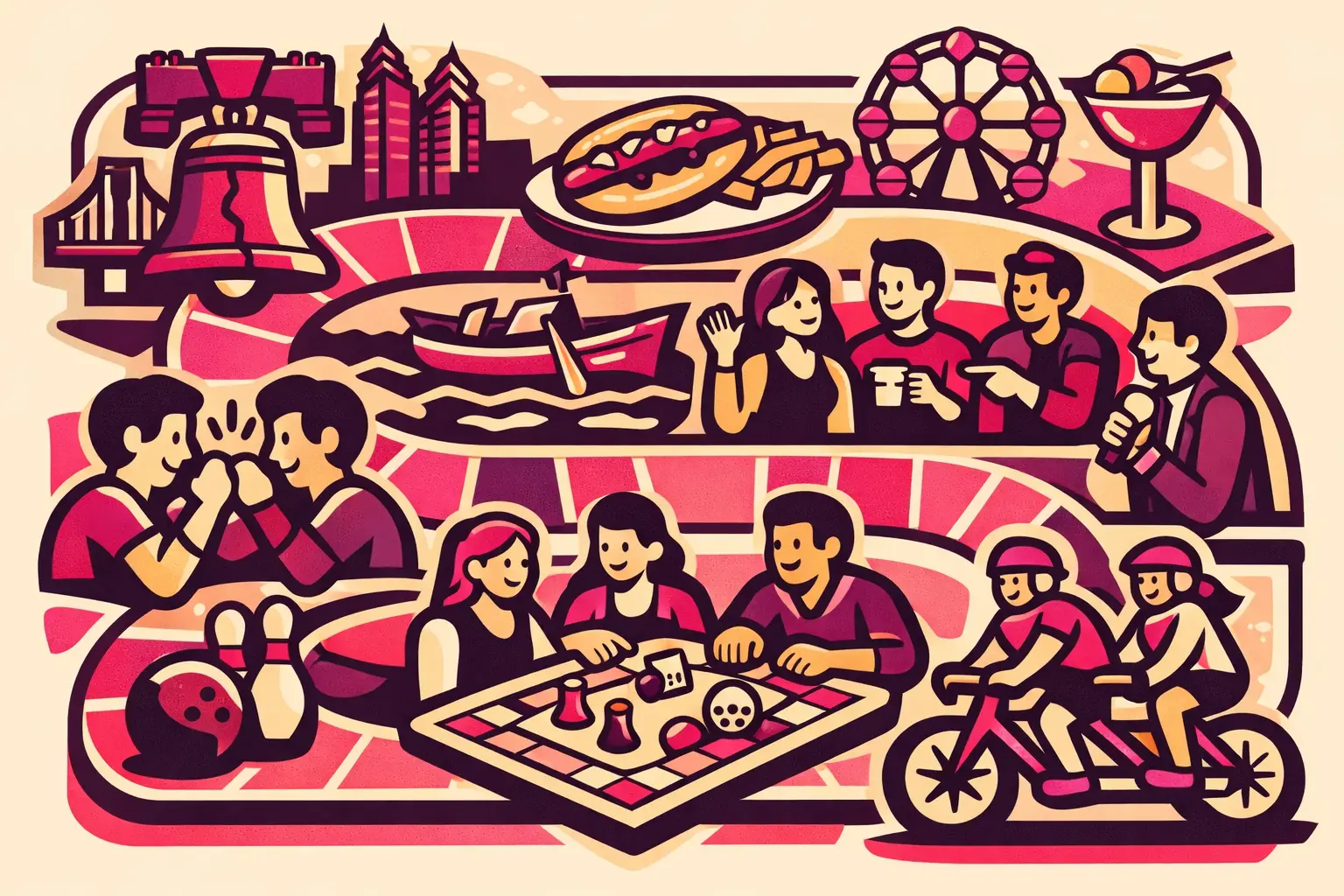
If your team is stuck in the usual happy hour loop, finding better things to do with coworkers Philadelphia offers can change the whole vibe. The best work outings give people something to talk about on Monday besides deadlines, and they should feel social without being awkward, forced, or overly formal.
That usually means picking activities that get people moving, talking, and working together naturally. Philadelphia is full of options, but not all of them fit every team. Some groups want high energy. Others want low pressure. The right pick depends on your team size, budget, schedule, and whether you want pure fun or something that also builds stronger collaboration.
Best things to do with coworkers in Philadelphia
A strong coworker outing should be easy to join, easy to enjoy, and different enough from the workday to feel like a real break. These ideas stand out because they give teams a shared experience instead of just putting everyone in the same room.
Try an escape room for real team interaction
If your goal is actual teamwork, an escape room is hard to beat. People have to communicate, divide tasks, notice details, and stay calm under a time limit. It feels like a game, but it naturally brings out how people solve problems together.
This works especially well for coworkers because everyone has a role. The analytical person starts spotting patterns. The outgoing person keeps communication flowing. The quiet person often catches the clue everyone else missed. That balance makes the experience feel inclusive instead of competitive in a bad way.
For teams that want something more interactive than dinner or drinks, this is one of the strongest options in the city. MindEscape is one local choice for groups looking for a themed, in-person challenge that feels energetic and memorable without requiring athletic skill or prior experience.
Book a food hall or market meetup
Not every work group wants a structured activity. If your team is mixed in age, personality, or comfort level, a food hall meetup can be a smart middle ground. People can grab what they like, sit in smaller groups, and socialize without the pressure of one big formal plan.
The upside is flexibility. The downside is that food-based outings can split people into smaller circles pretty quickly, so they are better for casual bonding than true team building. If your team already knows each other well, that may be enough.
Go for mini golf, arcade games, or bowling
Game-based venues work because they give coworkers something to do while they talk. That matters. Pure conversation events can feel stiff, especially when managers and direct reports are all in the same setting.
Mini golf, bowling, and arcade spots create easy interaction without demanding too much. People can jump in, rotate, laugh at bad shots, and keep things light. These activities are especially useful for larger teams because they can handle different skill levels and attention spans.
The trade-off is that they tend to be less immersive than something like an escape room. If your group wants a quick, casual outing, they fit. If you want people to truly collaborate, they may not go far enough.
Take a group art or cooking class
Creative classes can be a strong pick for teams that want something social but not overly intense. A painting workshop, pottery session, or cooking class gives coworkers a shared task with a finished result at the end. That creates a built-in sense of progress and accomplishment.
These outings often work well for smaller groups or departments. They can feel more personal and less chaotic than a large open venue. They also give people natural conversation starters, which helps if your team includes newer employees or remote coworkers meeting in person.
Still, this format depends a lot on your group's personality. Some teams love hands-on creative activities. Others feel self-conscious. If your office culture is more playful and relaxed, it can be a great fit.
How to choose things to do with coworkers Philadelphia teams will enjoy
The most common mistake with coworker outings is picking what sounds fun in theory instead of what works for your actual group. A little planning makes the difference between a solid event and one people quietly leave early.
Match the activity to your team size
Smaller teams usually do well with activities that require direct participation, like escape rooms, classes, or guided tastings. Larger groups often need more flexible formats, such as bowling, open game spaces, or venues where people can move around.
If your team is too large for one room or one table, ask whether the activity can be split in a way that still feels connected. You do not want half the team waiting around while the other half has the fun part.
Think about energy level and timing
A Friday evening outing feels different from a Wednesday afternoon team event. After work, many people want something easy and social. During the workday, teams are often more open to structured activities because they are already in work mode.
That is one reason escape rooms do well for corporate groups. They fit into a clear time block, they start and end on schedule, and they feel like an event instead of an open-ended hangout.
Consider whether alcohol should be part of it
A lot of coworker events default to drinks, but that does not always serve the whole group. Some people do not drink. Some people do not want their work social life built around bars. And some teams are simply looking for a more active way to spend time together.
That does not mean food and drinks are off the table. It just means they should not be the only draw unless you know that suits your group. Activity-first outings usually create better participation across different personalities.
Pick something that gives people a shared win
The best coworker outings create a moment people can talk about later. Maybe your team solved the last puzzle with 30 seconds left. Maybe someone unexpectedly dominated at mini golf. Maybe the department made a surprisingly good meal together.
That shared win matters because it gives the outing staying power. It turns a simple event into an actual memory, which is what most teams are really after.
Good coworker outing ideas by team goal
Sometimes the easiest way to choose is to start with the outcome you want.
If your team needs better communication, choose something interactive and time-based. Escape rooms are especially strong here because they require people to share information quickly and coordinate under pressure.
If your goal is casual socializing, go with food halls, outdoor meetups, or easy game venues where people can come and go without much structure.
If you are welcoming new hires or mixing departments, pick an activity with built-in conversation and shared tasks. Bowling, cooking classes, and puzzle-based experiences all help people connect without forcing small talk.
If you need something memorable for a holiday party or team celebration, choose an experience that feels like a real event. That usually means something more immersive than dinner and more participatory than simply watching a show.
Indoor vs. outdoor coworker activities
Philadelphia gives you both, but the season matters more than people think. Outdoor outings can be great in mild weather, especially for teams that want space to move around. Parks, walking tours, and seasonal pop-ups can work well when the forecast cooperates.
The problem is reliability. Weather changes fast, and a backup plan can get messy. Indoor activities are easier to schedule and easier to commit to, especially for office managers or team leads trying to organize a smooth group event.
That is another reason structured indoor experiences tend to stay popular with work groups. They are predictable, they are easier to reserve, and they remove a lot of the logistics that can make planning annoying.
What makes an outing feel worth it
People do not need a perfect event. They need one that feels intentional. When coworkers can tell that the activity was chosen with the group in mind, participation usually goes up.
Worthwhile outings tend to have three things in common. They are easy to understand, they give everyone a way to join in, and they leave people with a story afterward. That is why interactive group experiences often outperform more passive plans.
If you are deciding among several options, ask one simple question: will this get people actively involved, or will it just place them near each other for two hours? Those are very different outcomes.
Philadelphia has plenty of coworker-friendly options, but the best choice is usually the one that gets your team talking, laughing, and doing something together instead of standing around deciding where to go next. Start there, and the outing has a much better chance of being the one people actually want to do again.
Things to Do With Coworkers in Philadelphia
Readable phrasing matters: this is a guide to things to do with coworkers in Philadelphia, not a keyword string. Choose the activity by team size, energy, accessibility, budget, and whether people need an easy social evening or a structured shared challenge.
MindEscape can serve as the timed anchor for a South Street outing. Plan around a 15-minute early arrival and 60-minute game, then use food or a casual stop afterward for the conversation that a countdown does not leave room for.
Use these MindEscape planning paths
- corporate event inquiry — confirm group logistics
- Thai Prison Escape — review the 2–12-player room
- company-outing guide — build a clear event flow
- illustrative new-hire scenario — see how to disclose a planning example