Why a Puzzle Solving Challenge Hooks Groups
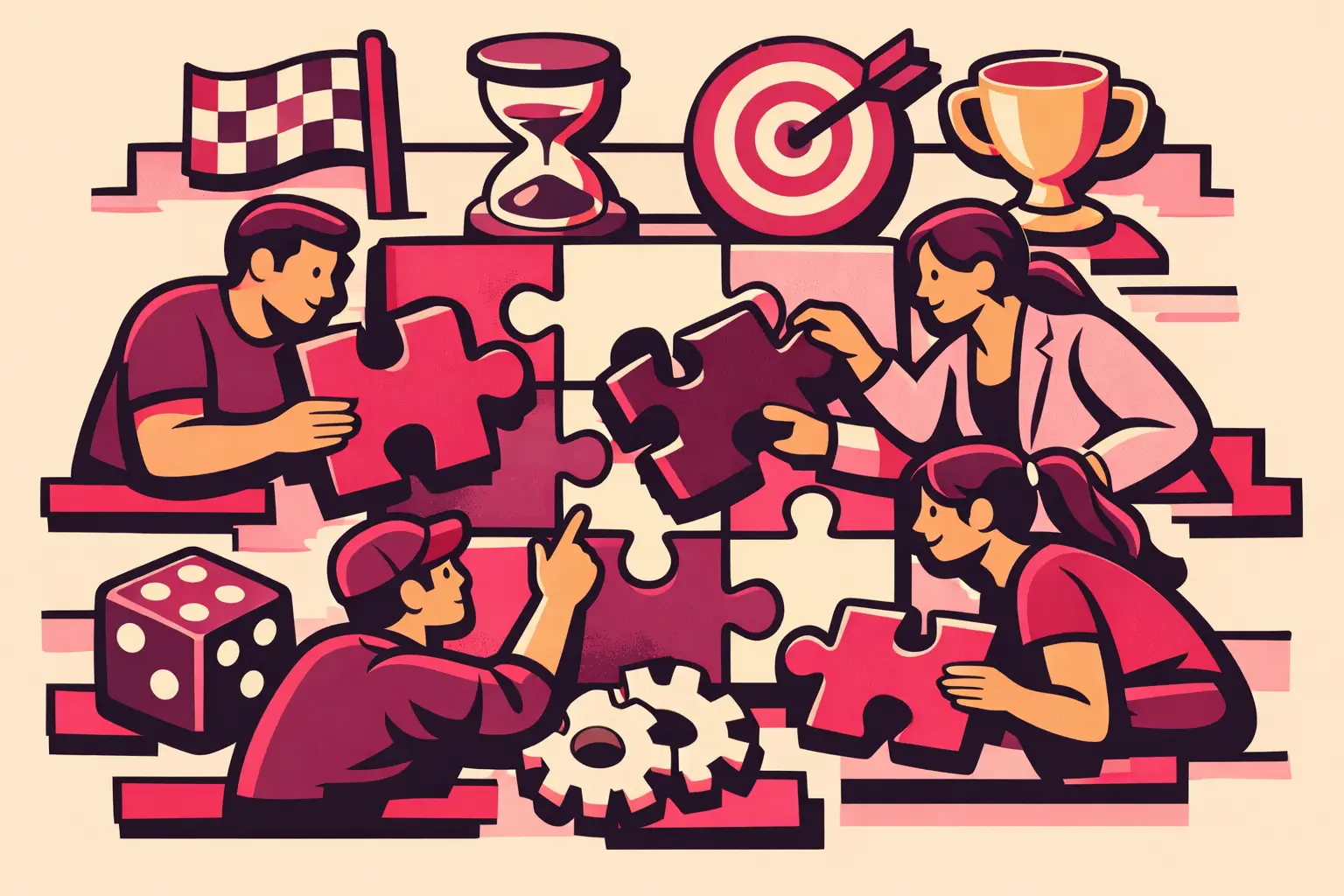
Some group activities fade into the background before the night is even over. A puzzle solving challenge does the opposite. People keep talking about the clue they almost missed, the moment the lock clicked open, and the one teammate who spotted the pattern nobody else saw.
That staying power is the real appeal. When people look for something more interactive than dinner, more memorable than a movie, and more social than scrolling through their phones in the same room, puzzle-based experiences stand out fast. They give groups a clear goal, a time limit, and just enough pressure to make every small win feel bigger.
What makes a puzzle solving challenge so satisfying
The best challenge puts people in motion right away. You are not sitting back and watching something happen. You are testing ideas, scanning the room, connecting details, and reacting in real time with other people. That shift from passive entertainment to active participation changes the energy completely.
Part of the fun comes from momentum. A good puzzle solving challenge usually starts with confusion, then builds into progress. One clue leads to another. A random object starts to matter. A code that looked impossible suddenly makes sense. That rhythm keeps people engaged because there is always a next step, even if the path is not obvious at first.
There is also a built-in reward system. Every solved clue gives the group proof that they are moving forward. That matters more than people expect. You do not need to finish every task perfectly for the experience to feel exciting. You just need enough breakthroughs to keep the room buzzing.
Why groups respond better to challenges than passive entertainment
Shared challenge creates instant interaction. That is a big reason escape rooms, mystery games, and live-action puzzle experiences work so well for friends, families, coworkers, and mixed groups. People do not have to force conversation because the experience gives them something real to react to together.
A puzzle solving challenge also gives everyone a chance to contribute in different ways. One person notices visual details. Another is good with numbers. Someone else keeps the team organized or remembers information from earlier in the game. In a strong group activity, different strengths matter, and that makes the experience feel inclusive without making it feel easy.
That balance is especially useful for groups that do not spend much time together. Coworkers may not know each other well. Extended family members may have different ages and personalities. A group of friends may include both highly competitive players and people who just want to have fun. A challenge gives them common ground fast.
The pressure is part of the fun, but only if it is designed well
Time pressure changes behavior. People pay closer attention. They speak up sooner. They stop overthinking small decisions and start trying things. That urgency is a huge reason puzzle-based entertainment feels exciting rather than flat.
Still, pressure only works when the challenge feels fair. If a room is too easy, groups lose the thrill. If it is too obscure, people stop feeling clever and start feeling stuck. The sweet spot is a challenge that pushes the group, then rewards observation, teamwork, and persistence.
That is one reason professionally designed escape rooms tend to land differently than casual puzzle games at home. The environment, clue flow, pacing, and physical interaction all matter. When the challenge is built well, frustration turns into focus instead of burnout.
A puzzle solving challenge works for more occasions than people think
A lot of people first consider this kind of activity for a birthday or weekend plan, but the format is more flexible than that. It works for date nights, family outings, friend groups, tourist plans, and team-building events because the core appeal is simple - do something active together and try to win.
For corporate groups, the draw is obvious. People want team-building that does not feel forced or awkward. A live challenge gives teams a reason to communicate, delegate, and adapt without turning the event into a lecture about collaboration. You learn who takes initiative, who stays calm, and who catches details under pressure.
For families and friends, the appeal is usually more immediate. It is just fun to have a mission. The room gives everyone a reason to focus on the same goal, and that can be refreshing when most outings revolve around eating, waiting, or making small talk.
What first-time players usually get wrong
New players often assume the smartest person in the room will carry the team. That is rarely how it works. Most successful groups are not built around one genius solving everything. They win because they communicate clearly, split attention well, and avoid getting stuck on one idea for too long.
Another common mistake is treating every object like it must be part of a trick. Strong puzzle design usually rewards observation more than wild guessing. If a group starts forcing connections that are not there, they waste time and miss cleaner answers.
The other trap is silence. A player finds a clue, keeps working on it alone, and the rest of the team does not know what is happening. In a timed challenge, sharing information quickly matters almost as much as solving the clue itself.
How to get more out of a puzzle solving challenge
If you want the experience to feel better from the start, go in with a simple mindset. Stay curious, communicate constantly, and do not get precious about being right. The fastest teams are usually the ones willing to test ideas and move on when something does not fit.
It also helps to divide naturally rather than rigidly. Two people might work one section while another pair searches for missing pieces. Then the group can regroup when a clue connects across the room. That approach keeps everyone active without turning the game into chaos.
Pay attention to energy, too. Some groups benefit from one person keeping track of solved clues and open questions. That does not mean appointing a boss. It just means making sure useful information does not get lost while the clock is running.
If your group includes first-timers, experienced players should avoid dominating the room. A challenge is more fun when everyone gets the chance to discover something. Winning matters, but the shared moments are what people remember.
Why themed rooms raise the stakes
Theme changes everything. Solving a code is fun. Solving that code because it opens a hidden compartment in a secret lab, prison break, or mystery setting is better. Story gives context to the challenge, and context makes every puzzle feel more meaningful.
That is where immersive escape rooms really stand apart. The environment is not just decoration. It shapes how the team thinks, where they search, and how the tension builds. A good theme pulls people in fast, especially when the room design supports the mission instead of distracting from it.
For players in Philadelphia looking for a real group activity, that mix of physical environment, puzzle logic, and team momentum is what makes the outing feel worth leaving the house for. It is active, social, and structured enough to keep everyone engaged.
Not every challenge fits every group
That is worth saying clearly. Some groups want a tough room with minimal hints and a real sense of pressure. Others want a fun, fast-paced experience that keeps the energy high without grinding people down. Neither option is wrong. It depends on the occasion, the group mix, and how experienced the players are.
A birthday group may care more about laughs and momentum. A seasoned friend group may want tougher puzzle density. A corporate team may need something challenging but accessible enough that nobody checks out halfway through. The best venues recognize those differences and help groups choose accordingly.
That is one reason people come back. Once you realize a puzzle solving challenge is not one-size-fits-all, you start looking for better design, stronger themes, and experiences that match the kind of night you actually want.
MindEscape fits that demand by offering live escape room experiences built for groups who want more than a basic outing. The goal is simple: give people a challenge worth talking about after they walk out.
The best group plans give people something to do, something to react to, and something to remember. A well-built challenge checks all three boxes, which is why it keeps earning a spot on birthday plans, weekend outings, and team events long after easier entertainment options lose their edge.
Try This Anatomy With Your Own Group
Next time you're mid-challenge, use this as a quick checklist: notice the prompt everyone can see, say what you think it means out loud, test one small idea at a time, and share results immediately — even the failed ones.
If your group repeats the same failed attempt more than twice, that's the moment to flag a Game Master rather than push through alone. A small, bounded hint protects momentum without taking away the win.
Use these MindEscape planning paths
- current room examples — connect the framework to live play
- broader motivation guide — read why groups keep coming back, not just how one challenge unfolds
- beginner guide — prepare a team to share partial discoveries
- difficulty guide — match the challenge to the group