Which Room Fits Twelve Players in Philadelphia?
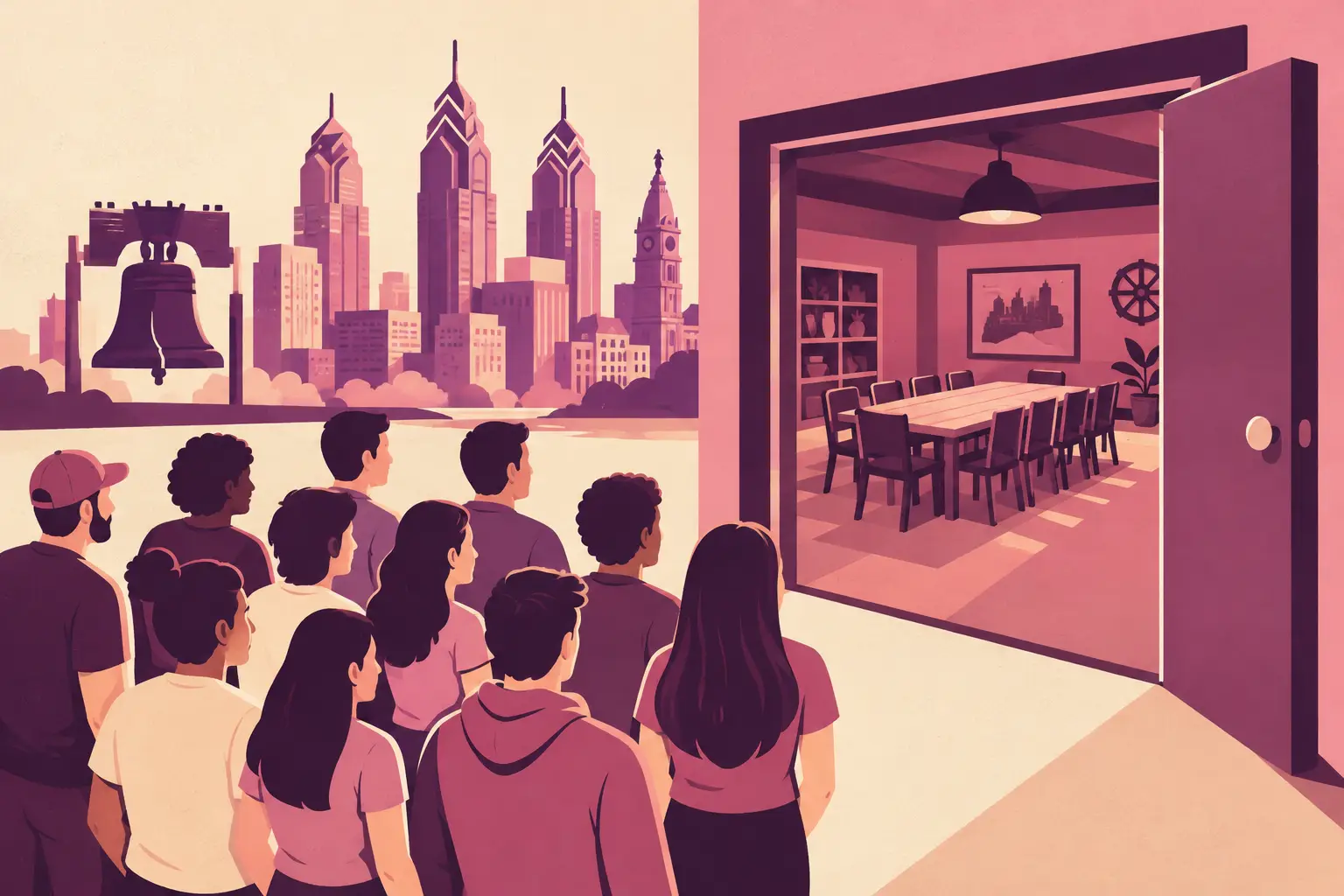
Twelve people arrive with twelve theories, several snack-fueled energy levels, and one big question: which room fits twelve players without turning the experience into a crowd? At MindEscape in Philadelphia, the answer is Thai Prison Escape. It is designed for groups of 2 to 12, making it the current choice when your whole party wants to take on one 60-minute escape-room mission together.
That capacity matters more than it may seem. A large escape-room group needs enough for everyone to do, enough space to communicate, and a theme that keeps the team moving in the same direction. Thai Prison Escape gives a group of twelve a shared adventure setting where observation, cooperation, and steady communication matter from the start.
The room that fits 12 players
Thai Prison Escape is the only current MindEscape experience that can accommodate up to 12 players in a single game. If your headcount is exactly twelve, or may land anywhere close to it, it is the straightforward room to consider first.
Jack the Ripper and Little Greenhouse of Horrors each host 2 to 8 players. Those rooms can be strong picks for smaller parties that want a mystery or horror-focused atmosphere, but they are not a fit for putting twelve people into one room at once. For a birthday gathering, visiting friends, a family reunion, or a work group that wants one shared story, capacity alone makes Thai Prison Escape the practical answer.
The experience is an adventure escape room, not a horror room. That distinction can help when your group includes people with different comfort levels. You still get the pressure of a ticking 60-minute mission and the satisfaction of discovering how pieces connect, without choosing a darker mystery simply because it is the first room someone mentions.
Why a group of 12 needs a plan before game time
The biggest challenge for twelve players is rarely finding enough clues. It is managing attention. In a small escape-room group, nearly everyone can follow the same discovery in real time. With twelve people, simultaneous conversations can bury useful observations before anyone has a chance to test them.
A little organization makes the game more enjoyable without making it feel like a meeting. Pick one or two people who are comfortable repeating key information clearly. Encourage everyone to say what they find out loud, then leave it where others can see it. If a clue is being worked on, it helps to mention that too, so three people do not quietly chase the same idea while another area goes unnoticed.
You do not need to assign formal jobs before you arrive. In fact, rigid roles can prevent people from following a good instinct. But it is useful to notice natural strengths as the game begins. Some players are excellent spotters. Others are patient with patterns, combinations, physical searching, or keeping a loose mental map of what has already been tried. Give those strengths room to emerge.
For a group this size, the best approach is usually to split briefly, then reconnect often. Two or three smaller clusters can inspect different parts of the room, but discoveries should come back to the whole team. Think of it as a relay, not twelve separate solo games.
Choose a communicator, not a boss
Every large party benefits from a communicator. This person does not need to lead every puzzle or make every decision. Their job is simpler: call out discoveries, make sure quieter players are heard, and occasionally ask, What have we not used yet?
That small bit of structure prevents a common large-group problem: a few energetic people unintentionally taking over while others wait for an opening. The most memorable team wins tend to happen when a detail noticed by the quietest person becomes the missing piece everyone else needed.
Let people rotate in and out of puzzles
If four players are already actively working on one task, the fifth person may be more helpful elsewhere. Rotation keeps momentum up and gives more people a real chance to contribute. It also reduces the temptation to crowd around the first interesting object in sight.
This is especially useful for mixed groups. First-time players may want a moment to get comfortable with how an escape room feels, while experienced players may be ready to search immediately. A welcoming team lets both happen.
Is Thai Prison Escape right for your particular group?
Capacity answers the first question, not every question. Thai Prison Escape is a natural choice for a group of twelve that wants one adventure together, but the right fit also depends on your occasion and your guests.
For a corporate team, twelve players can create a useful mix of personalities and working styles. The room gives people a reason to share incomplete information, test ideas, and adapt when an early theory does not hold up. Keep the tone light. The goal is not to identify who is fastest at puzzles. It is to give colleagues a lively shared challenge outside the usual routine.
For a birthday group, the larger capacity means fewer decisions about who gets included. That can be a relief when the guest list is hovering around ten, eleven, or twelve. Before the game, make sure everyone understands that the fun is collaborative. There is plenty of satisfaction in spotting a detail, making a connection, or helping another player see a new angle, even if you are not the person who completes the final step.
For families and visiting groups, consider the energy and preferences of the people coming with you. Thai Prison Escape has an adventure theme, while Jack the Ripper and Little Greenhouse of Horrors lean more into mystery and horror. If your group wants a less horror-centered mission and needs room for up to twelve, the choice becomes clearer.
If accessibility is part of your planning, Thai Prison Escape is wheelchair accessible, and its puzzles can be played while seated. That can make it a valuable option for groups that need a more inclusive setup. Because every guest's needs are individual, contact our team before booking if you have questions about mobility, participation, or what will help your group feel comfortable.
What not to do with 12 players
Do not divide your team into competing factions unless everyone genuinely wants that style of play. Escape rooms are built around shared discovery, and competition within the room can make communication worse. You will have more fun treating each useful observation as a win for the entire group.
Do not assume experienced players should handle everything. Veterans can help establish momentum, but fresh eyes often notice what others skip. The player who has never done an escape room may be the one who questions an assumption that has held the rest of the group up for several minutes.
And do not overthink the goal of the hour. You are there to investigate, explore, laugh at a few wrong turns, and see how your group reacts when the clock is part of the story. Escaping is a great outcome. Having everyone leave with a moment they helped create is the better one.
A quick headcount check before you choose
If your group lands at nine through twelve players and wants to stay together, Thai Prison Escape is the current room to choose. If your count drops to eight or fewer, you have more options: the dark mystery of Jack the Ripper, the tougher botanical unease of Little Greenhouse of Horrors, or the adventure setting of Thai Prison Escape.
For groups right on the edge, confirm the final headcount before making the room decision. A single cancellation can open up the smaller-room choices, while one extra guest can make Thai Prison Escape the only room where everyone can play at once. It is a small planning detail that prevents an awkward last-minute split.
Bring twelve curious people, keep the clues moving, and let the room give every voice a chance to matter.