Team Building That Gets People Working Together
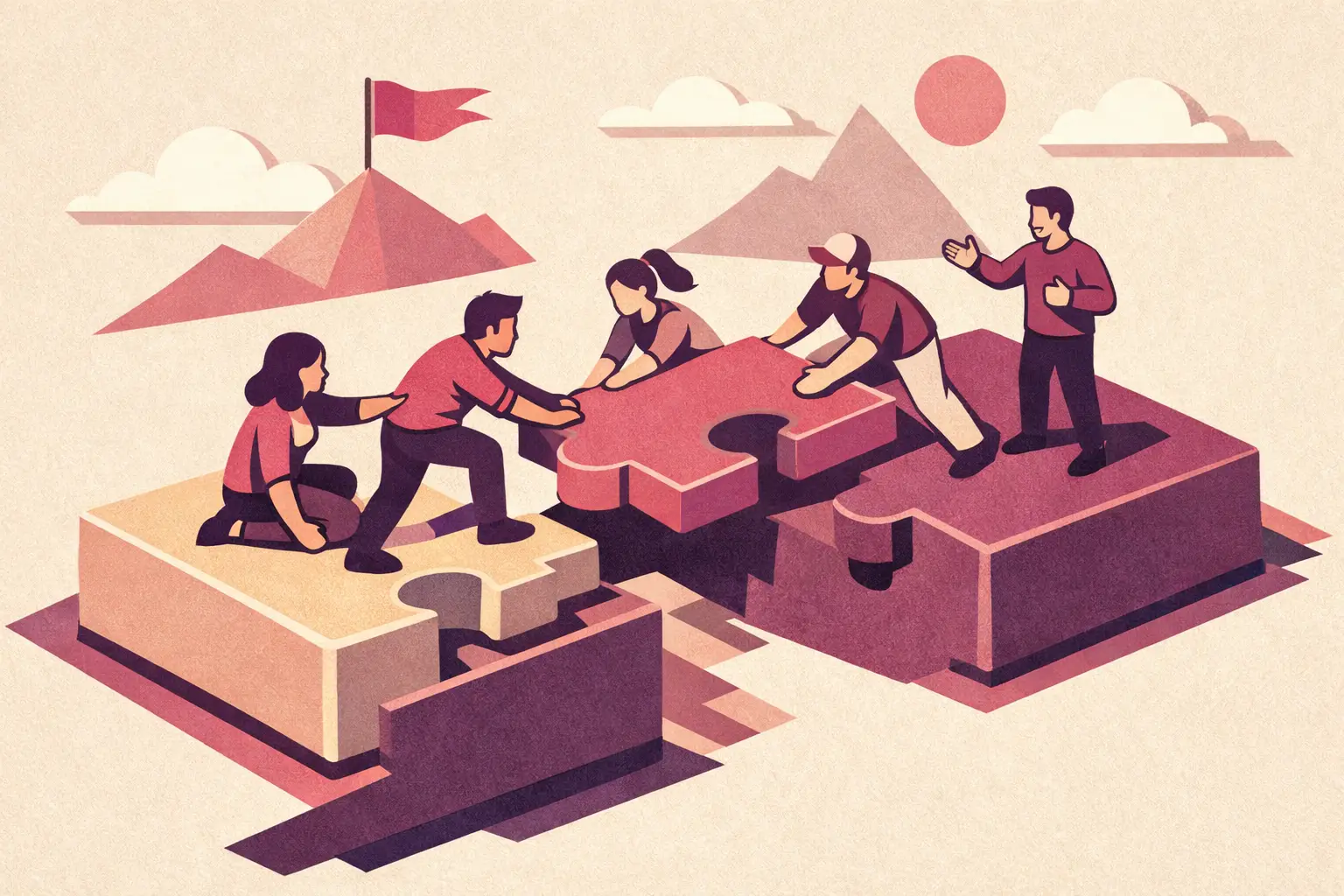
A good team building activity should create a moment your group can feel: the clock is running, someone spots a detail everyone else missed, and a quiet coworker suddenly has the clue that moves the whole team forward. That is what team building can look like in an escape room. It is not a lecture about collaboration. It is a shared challenge that asks people to communicate, test ideas, listen closely, and keep moving.
For Philadelphia teams that want an in-person activity with real energy, a 60-minute escape room gives everyone a clear goal without requiring anyone to perform, compete in a sport, or pretend to enjoy an icebreaker. At MindEscape near South Street, your group enters a story, searches for connections, and works against the same ticking clock.
Why escape rooms work for team building
Most teams already know that communication matters. The difficult part is seeing how communication actually happens when the pressure is on. In an escape room, information is scattered across the space and no one person can reasonably hold every detail at once. Progress depends on sharing observations out loud, explaining a half-formed idea, and giving another person room to build on it.
That makes the experience useful for established teams and newly assembled groups alike. People who work together every day often fall into familiar roles. A live game can shift those patterns. The person who usually leads a meeting may be busy examining one area while someone else organizes clues, notices a pattern, or keeps the group focused on the next task.
The value is not that an escape room measures job performance. It does not. A puzzle game is its own kind of challenge, and a person who excels at work may not be the first to find a hidden connection in a themed room. The value is that the game creates a low-stakes setting where teams can practice useful habits: asking for help early, making ideas visible, managing time, and recovering quickly when a theory does not work.
What a strong team building session should include
The right activity should give your group a shared objective, enough complexity for multiple people to contribute, and a clear ending. Escape rooms naturally provide all three. Your team is not debating an abstract scenario. You are trying to get out, solve the mystery, or make the next discovery before time runs out.
It also helps when the challenge has room for different thinking styles. Some players are detail hunters. Some are organizers who gather loose information into one place. Others are comfortable trying an unusual approach when the obvious path has stalled. A well-run team building session gives those instincts a place to matter.
There is a trade-off worth considering. If your goal is a deeply structured training program with facilitated reflection and workplace-specific exercises, an escape room is not a replacement for that. But if you want a lively, memorable shared experience that reveals how people collaborate in the moment, it is a strong fit. Many groups get the most from it when they treat the game as both a break from routine and a chance to notice what helped them move forward.
Choose the room that fits your group
Theme matters more than organizers sometimes expect. It sets the mood before the first puzzle is found, and it can determine whether everyone feels eager to participate.
For a group that enjoys atmospheric mystery and a darker setting, Jack the Ripper brings a suspenseful investigation to the table. It is designed for 2-8 players, which can make it a practical choice for a single department or a smaller leadership group. The atmosphere is part of the experience, so it is worth choosing this room for guests who are comfortable with horror and mystery rather than looking for a lighthearted outing.
Thai Prison Escape is an adventure experience for 2-12 players, making it a useful option when you want more people tackling the same mission. It is also MindEscape's most clearly documented fully wheelchair-accessible room, with puzzles and game elements playable while seated. Accessibility planning should be part of the conversation from the start, not an afterthought, especially when you are organizing for a varied group.
Little Greenhouse of Horrors is a harder botanical mystery and horror experience for 2-8 players. It is wheelchair accessible, but the room includes flashing lights and scents or aromas. That combination may be exactly what an experienced group wants, while another team may prefer a different atmosphere. If anyone in your group has mobility or sensory questions, contact us before booking so you can make an informed choice.
How to organize team building without overthinking it
Start with the shape of your group. Count participants, then consider whether one shared room or separate games make more sense. A smaller team may benefit from being together, where every observation is heard. A larger group may need to divide into rooms or sessions so no one is waiting for a turn to contribute.
Next, choose the tone. Ask one direct question: would this group rather investigate a mystery, take on an adventure, or face a more challenging horror-leaning scenario? You do not need a committee meeting to answer it. A quick poll is usually enough, and it avoids putting guests into a theme they would not enjoy.
Then give people a little context before arrival. Let them know they will be working together in an immersive, timed experience and that they do not need special knowledge or escape-room experience. The goal is not to prove who is smartest. It is to observe, communicate, and keep trying. That small bit of framing helps first-time players arrive curious instead of worried about getting everything right.
For corporate organizers planning a larger outing, the practical details matter just as much as the theme. Group size, room selection, scheduling needs, accessibility considerations, and the desired level of challenge are useful to settle early. Our corporate booking planning option is built for teams that need to organize a group experience rather than simply pick a game at the last minute.
The habits that help teams inside the room
The groups that make steady progress are rarely the ones with a single loud solver. They are usually the ones that share information clearly. If someone finds a code, object, symbol, or unusual detail, say it where everyone can hear it. If an idea has already been tested, mention that too. Repeating failed work costs time, while a quick update can send someone toward a better lead.
It is also useful to create a simple rhythm: search, share, test, reset. Search the room carefully. Share what you find. Test a reasonable theory. If it does not work, reset without treating the wrong answer as a failure. That rhythm is familiar to anyone who has worked through a difficult project, and it keeps the game from becoming chaotic.
Leaders can help most by making space, not by taking over. Invite quieter players to share what they are noticing. Encourage the group to pause when several people are working on the same clue. If the room gets noisy, a brief check-in can bring scattered discoveries back into one plan.
Make the experience useful after the clock stops
The best conversation often happens immediately afterward, while the near-misses and breakthroughs are still fresh. Keep it simple. Ask what helped the group make progress, where communication got tangled, and what surprised people about their own role. You do not need to turn the outing into a formal debrief unless that suits your team culture.
A few honest observations are enough. Perhaps the team moved faster once someone began collecting clues in one place. Perhaps a newer colleague noticed the detail that changed the entire direction. Perhaps the group learned that asking a basic question early is faster than silently working on the same problem for ten minutes.
Team building works when people leave with more than a group photo or a completed agenda. Give your team a mystery worth chasing, a clock worth watching, and a reason to rely on one another. The door may be locked, but the next good idea can come from anyone in the room.