Philadelphia Tourist Group Activities for a Better Day
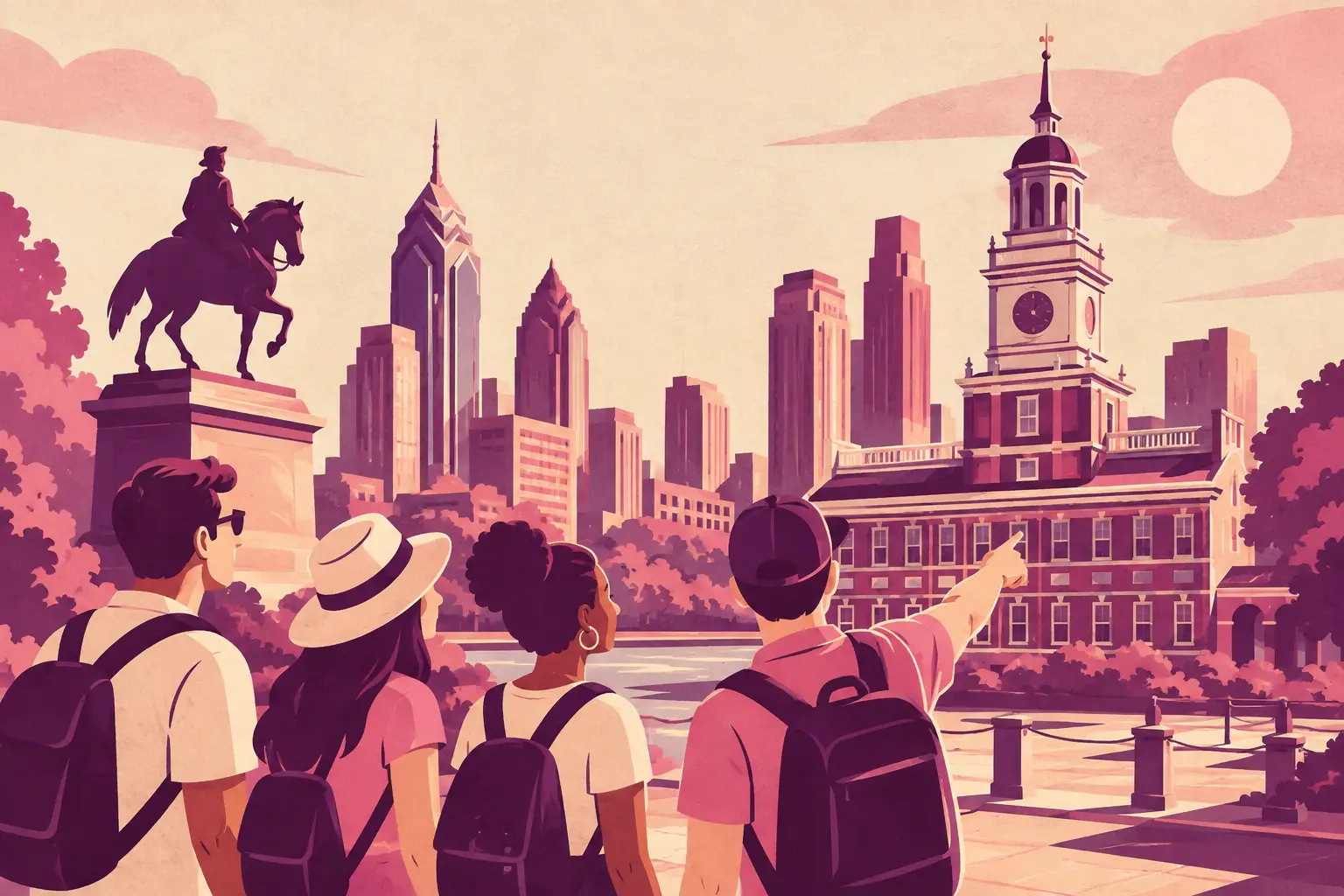
A group can admire the Liberty Bell for only so long before someone checks the time, someone else needs a snack, and the person in charge starts wondering what happens next. The strongest Philadelphia tourist group activities give everyone a role, create a shared memory, and fit cleanly between the city’s bigger stops.
A 60-minute escape room does that particularly well. Instead of splitting into separate shopping, museum, or sightseeing preferences, your group gets one clear mission: work together, investigate the space, and find a way out before time runs down. At MindEscape, near South Street at 521 S. 4th Street, the experience is built around immersive stories, discoveries, and puzzles that require the room to communicate.
Build Philadelphia tourist group activities around participation
Tour groups are rarely as simple as they look on a group chat. You may have a couple who love a good challenge, a parent who wants something memorable for teens, friends who have never tried an escape room, and one person who insists they are “just there for moral support.” A passive attraction can leave some people on the sidelines. A well-chosen game gives different personalities useful ways to contribute.
One person may notice a strange detail. Another may keep track of clues. Someone else may be the calm voice who connects two half-formed ideas. Escape rooms reward that mix better than a single expert taking over. The fun is not limited to the final outcome. It is in the sudden shout from across the room when a clue finally makes sense.
For visitors, this also solves a practical problem: a 60-minute activity has a defined beginning and end. That makes it easier to shape a day around a meal, neighborhood wandering, or an evening reservation without trying to keep a large group entertained for an open-ended stretch.
Choose the room by your group’s mood, not just its size
The right theme changes the tone of the outing. Before booking, ask what your group wants to feel: curious, adventurous, unsettled, competitive, or simply absorbed in a story together. Capacity matters, but it should not be the only deciding factor.
For mystery fans who like an eerie atmosphere
Jack the Ripper is a horror-mystery experience for groups of two to eight. It suits visitors who want a theatrical investigation with suspenseful energy rather than a cheerful, casual puzzle break. The theme itself is a useful signal. If anyone in the group dislikes creepy subject matter, choose a different room instead of hoping the mood will land once you arrive.
This can be a strong pick for friends who want their Philadelphia outing to feel like an event, particularly if the group enjoys comparing theories and following a narrative. It is also worth setting expectations before the day starts. Mystery fans may want the tension. First-timers often appreciate knowing that the goal is collaboration, not proving they are puzzle geniuses.
For larger groups looking for an adventure
Thai Prison Escape accommodates two to 12 players, making it the natural option when a visitor group is larger than the usual small gathering. Its adventure setup gives a bigger party room to trade observations, divide attention, and keep the momentum moving.
This room is wheelchair accessible, and its puzzles can be played while seated. That is meaningful planning information, not a footnote. If accessibility is part of your group’s decision, contact the venue ahead of booking to discuss the details that matter to your guests and make sure the experience feels comfortable from the start.
For a reunion, extended family visit, or a group of coworkers traveling together, a larger capacity can keep the outing intact rather than sending people off in separate directions. Still, large groups need a little discipline. Agree that people should call out discoveries and avoid gathering around one object while the rest of the room waits.
For experienced players ready for a tougher case
Little Greenhouse of Horrors brings a botanical mystery-horror setting and a higher level of challenge for two to eight players. It can be a particularly satisfying choice for visitors who have done escape rooms before and want a room where close observation and persistence matter.
The room is wheelchair accessible, and guests can play its puzzles seated. It also includes flashing lights and scents or aromas. Those details may be part of the atmosphere, but they should be part of the planning conversation too. Guests with mobility or sensory questions should contact MindEscape before reserving so the group can make an informed choice.
Harder does not automatically mean better. If your party includes several first-time players, a room’s theme and comfort level may matter more than choosing the biggest challenge. The most successful group activity is the one your actual group will enjoy together, not the one that sounds most impressive afterward.
Put the game in the right place on your itinerary
An escape room works best as an anchor, not an afterthought. Aim for a time when your group is awake, fed, and able to arrive together. Scheduling immediately after a long train ride, airport pickup, or a packed day of walking can turn a fun challenge into a tired one.
For many visitor groups, late afternoon is a smart slot. It breaks up a sightseeing day and gives everyone something to talk about at dinner. An evening session can work equally well when the escape room is the main shared plan instead of a stop squeezed in after multiple attractions.
Build in a buffer on both sides. Philadelphia plans can shift when a group gets caught up at a historic site, lingers over lunch, or simply takes longer to gather than expected. A little breathing room protects the activity from feeling rushed. Before you finalize plans, confirm the room’s current availability and arrival guidance directly with the venue.
Give your group a simple pre-game briefing
You do not need a strategy meeting, but a two-minute conversation prevents avoidable friction. Tell everyone that the room is designed for teamwork and that no one needs prior escape-room experience. Encourage people to say what they see, even if it seems minor, and to listen when another player asks for help.
It also helps to set one ground rule: do not let the loudest person become the entire team. Groups have more fun when clues circulate and different people get a chance to test an idea. If your party includes children, adults should be ready to share the search, reading, and problem-solving rather than treating younger guests as spectators.
Avoid giving away puzzle solutions after the game if different friends may want to play later. The stories and discoveries are far more satisfying when each team gets to make them firsthand.
Plan for comfort as carefully as you plan for fun
Tourist groups often include needs that are not obvious in a booking form. Ask privately if anyone has mobility, sensory, or theme concerns before declaring a room choice final. That conversation is especially valuable when your travelers do not all know one another well, such as a work group, a wedding weekend, or relatives meeting for the first time.
Be specific without making assumptions. Thai Prison Escape and Little Greenhouse of Horrors offer wheelchair-accessible experiences with puzzles playable from a seated position. Little Greenhouse of Horrors also has flashing lights and scents or aromas. Those facts help a group start the right conversation, but individual needs vary, so contacting the venue is the sensible next step when questions remain.
Theme is part of comfort too. Horror and mystery can be thrilling for some guests and a poor fit for others. Choosing an adventure room for a mixed group is not “playing it safe.” It is good hosting.
A great Philadelphia group day does not need every stop to be famous. Give your people one hour where the phones stay mostly away, the theories get louder, and everyone has a reason to celebrate the final reveal together.