Behind the Scenes
Inside Little Greenhouse of Horrors Beta Week
Before Little Greenhouse of Horrors opened for booking in Philadelphia, 53 guest players helped us tune it. Here is what beta week taught us.
What Beta Testing Looks Like Now and Why We Are Doing It This Way
Before Little Greenhouse of Horrors opened for booking, it got its first real audience.
Not our builders. Not our staff. Not the people who already knew where every surprise lived.
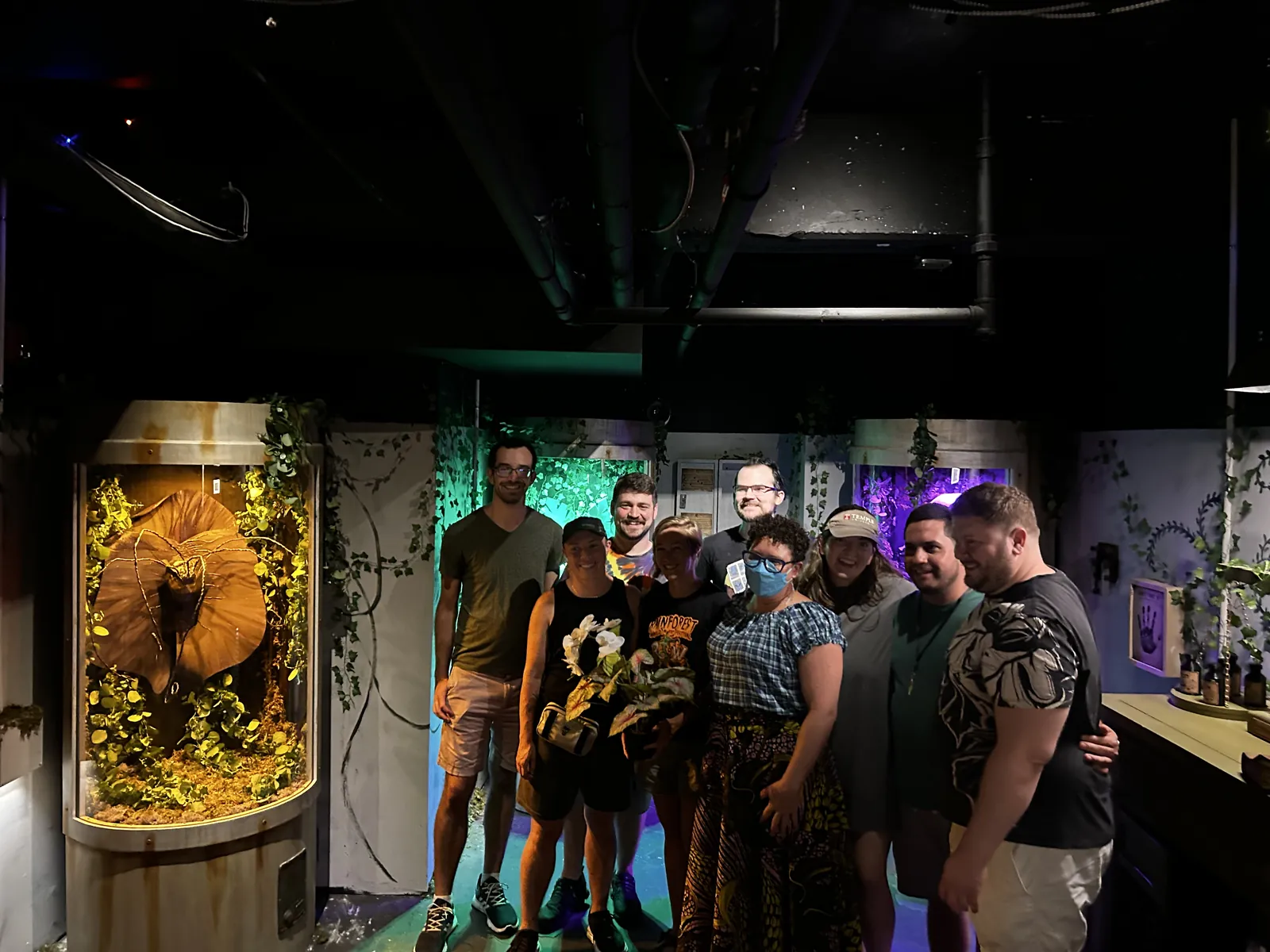
During our August 4 to 10 beta run, 53 guest players rated the experience and showed us what was already clicking and where one more thoughtful pass could make the room even stronger.
That last part matters.
When we opened our earlier escape rooms six to ten years ago, beta testing was much more hands on and manual. We would watch a group play, make notes, compare impressions afterward, and try to remember every moment where somebody hesitated or celebrated. It worked. It taught us a lot. But feedback could be scattered across conversations, notebooks, and whatever the team could recall after a very long day.
This time, we wanted a clearer picture.
We asked beta groups how well they understood the start, how the pace felt, which moments landed, where the story lost them, and whether the room's atmosphere supported the experience. The approach was structured, repeatable, and grounded in what players actually experienced.
We could look at the same game from dozens of perspectives instead of relying on the loudest comment in the room.
The goal was not to flatten the magic into a spreadsheet. It was to protect the magic by finding the rough edges before opening day.
The big picture
The early results gave us a lot to be excited about. Beta testers gave the room an average overall rating of 4.43 out of 5, and 50 of 53 rated it a 4 or 5.
Just as importantly, 50 of the 51 players who answered the question agreed or strongly agreed that the atmosphere improved the experience.
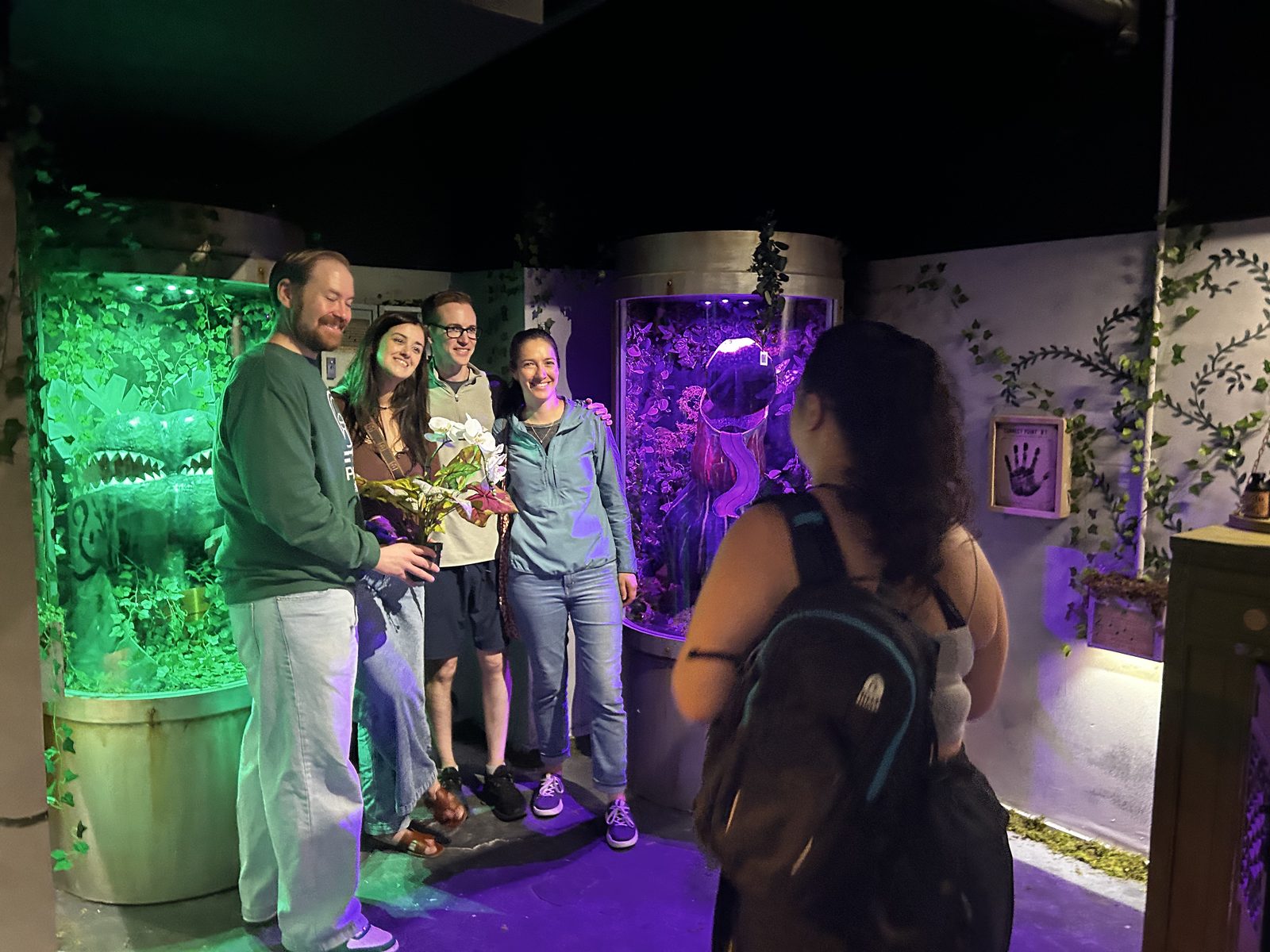
That tells us the heart of the room was landing the way we hoped it would. The plants, the strange little science, the music, the lighting, and the moments that ask a whole team to get involved were creating the playful, slightly spooky world we wanted.
The room got clearer as beta moved along
One useful early signal showed up in the opening minutes. Among the first groups we analyzed, 8 of 12 said they understood how to begin. Among later groups, that rose to 27 of 29.
Average room rating moved from 4.0 to 4.6 out of 5 across those same windows.
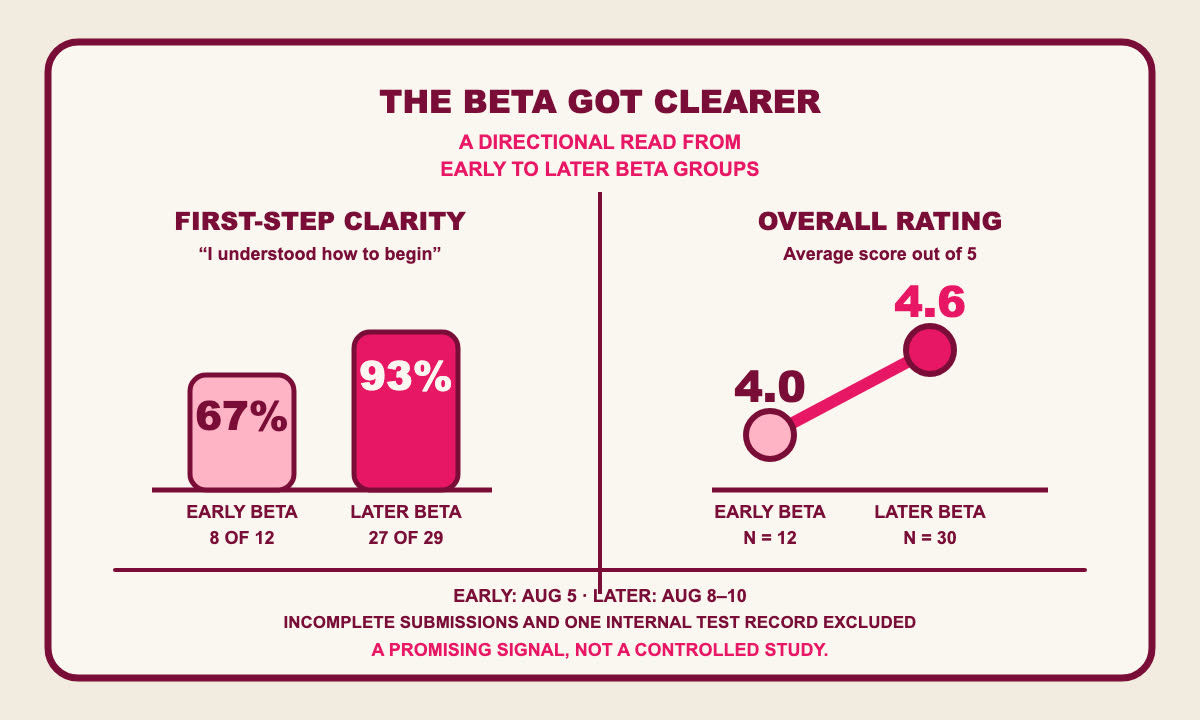
It was an encouraging signal that our adjustments were helping teams find their footing faster. That is exactly what beta testing is for. We could make the first few minutes more legible, then preserve the discovery that comes after.
In the players' own words
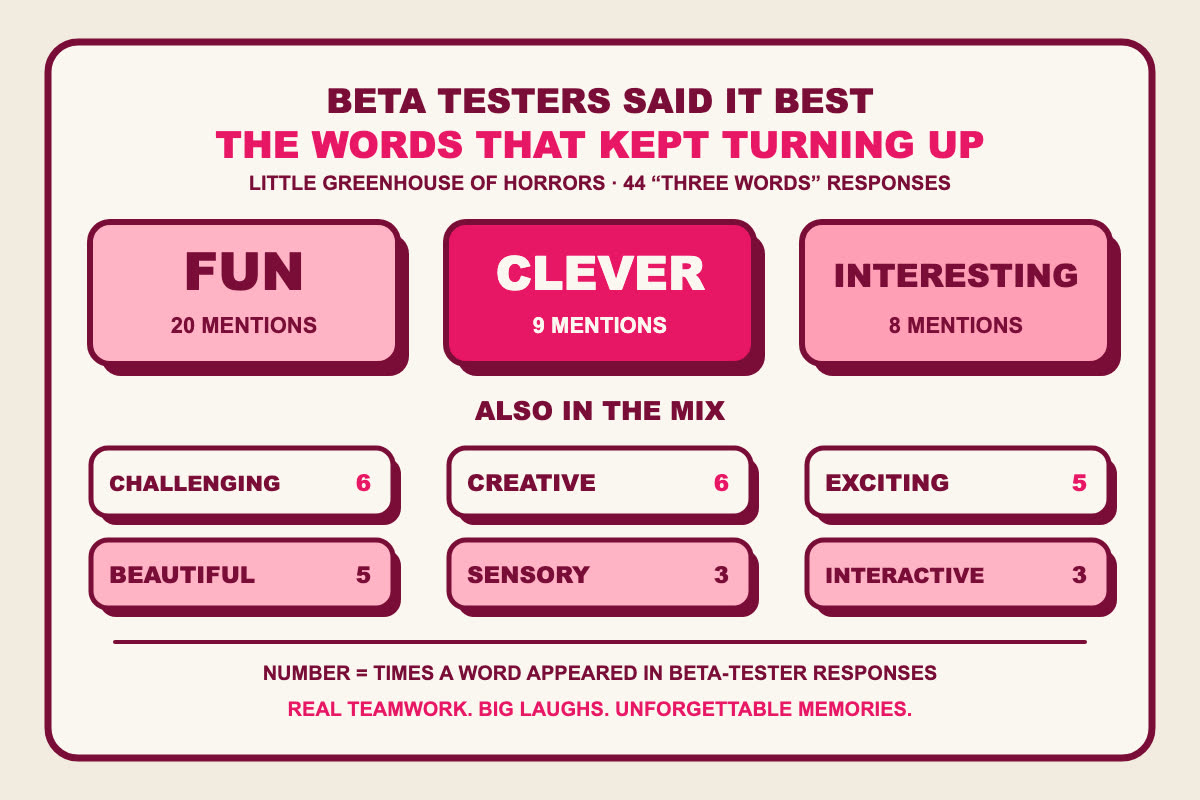
In the 43 answers to our three words question, the words we saw most often were fun, clever, and interesting.
Other words that kept turning up included challenging, creative, beautiful, exciting, sensory, and interactive.
That combination feels right for Little Greenhouse of Horrors. We wanted a room that rewards curiosity, not one that asks you to be an expert in plants, music, or escape rooms before you walk in.
There were also plenty of shout outs for sensory moments, unusual interactions, and the set itself. Players noticed the scent based puzzles, the plant filled spaces, the lighting, and the times they had to work together rather than simply pass a lock around the group.
Those details are exactly why beta testing is so valuable. They tell us what to keep leaning into.
What the feedback helped us improve
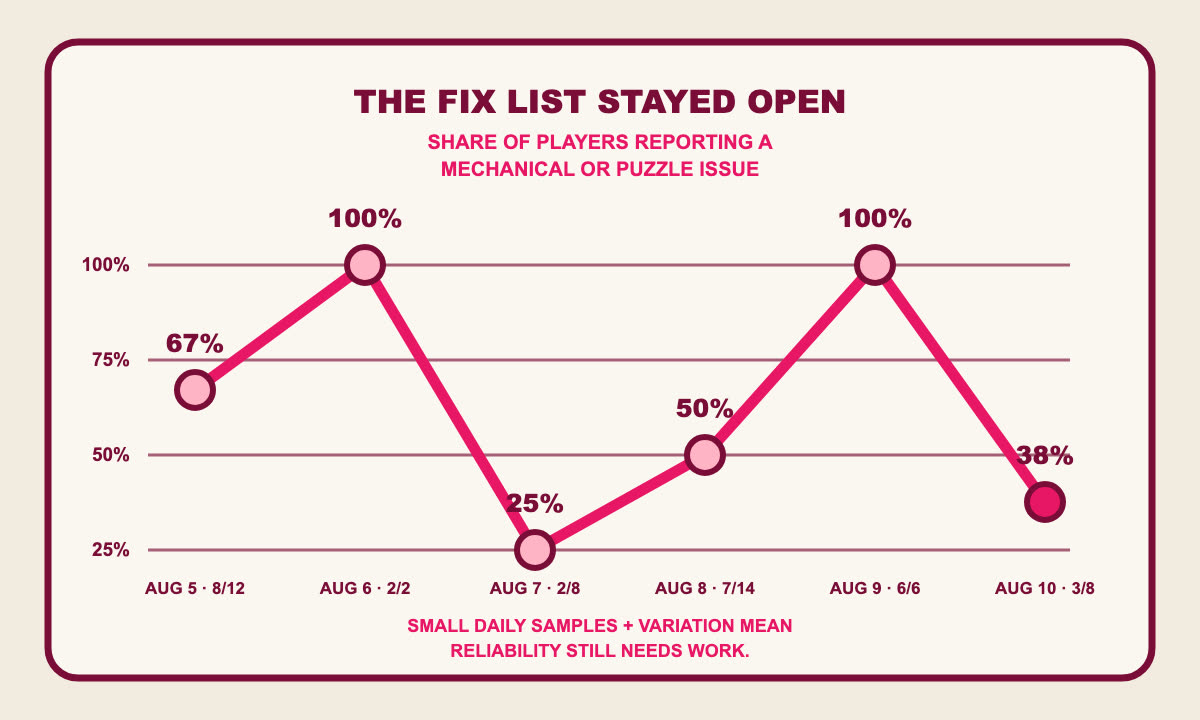
Good beta testing is not a victory lap. It is the point where we listen closely.
Beta testing gave us a clear final tuning list. We sharpened early direction, made successful puzzle moments easier to recognize, and strengthened the sense of payoff at the finish.
Players also helped us identify practical refinements to lighting, color contrast, and sound so more teams can stay immersed in the story.
A great escape room is a chain of small, satisfying discoveries, and one unclear clue or quiet unlock can make a team question something they actually solved. The survey helped us see patterns, separate individual preferences from repeat issues, and prioritize the refinements that would make the biggest difference for future teams.
Why we will keep testing this way
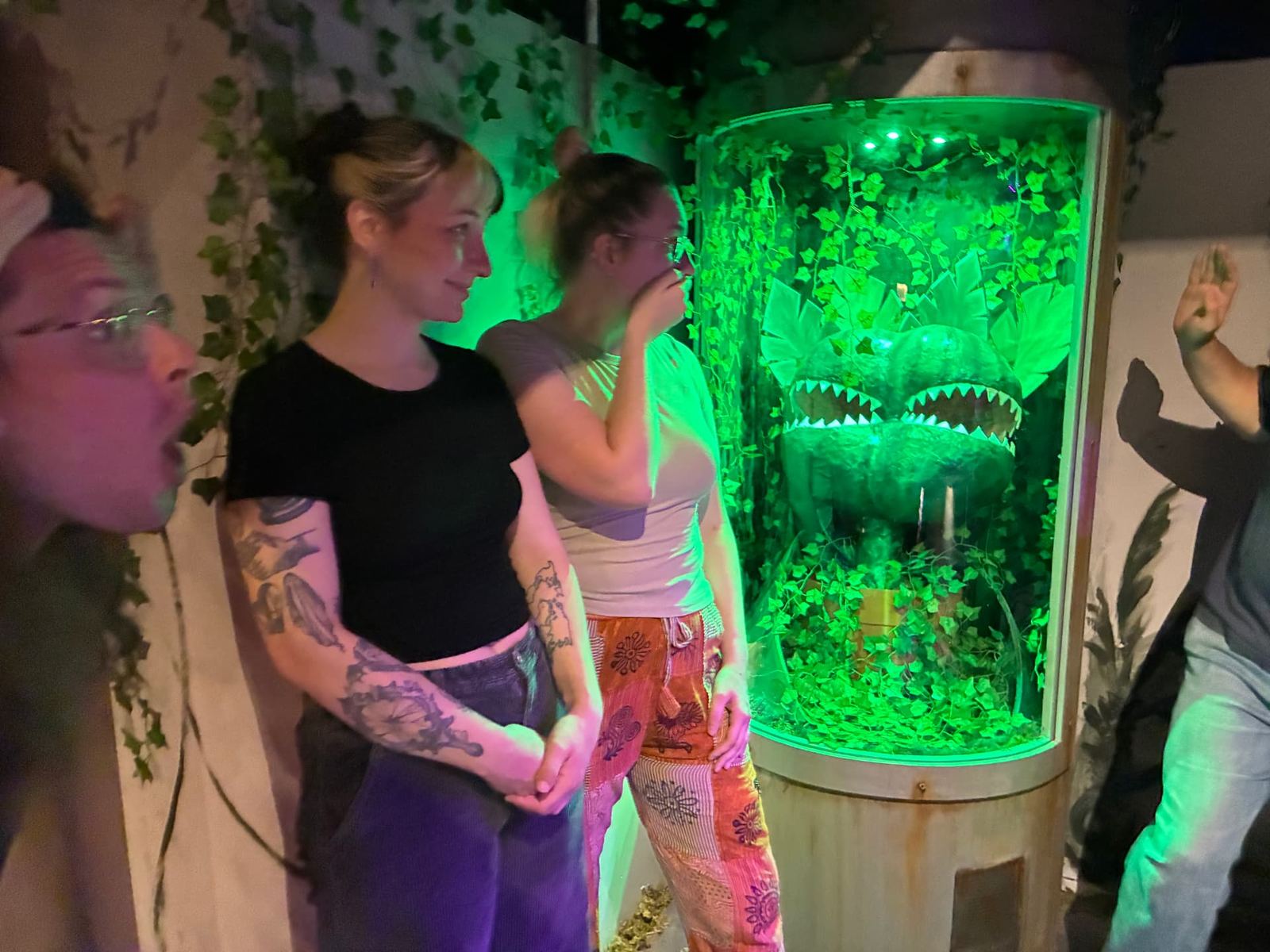
There is still no substitute for standing outside a room and hearing a group burst into laughter after something clicks. We are not trying to replace that human part of beta testing. We are pairing it with a better record of what players experienced.
That means we can keep the parts that make Little Greenhouse of Horrors feel alive and tune the parts that are not quite there yet. It means the final version is shaped not only by the people who built it, but by the people it is built for.
To everyone who joined us during beta week, thank you for being honest, patient, curious, and game enough to step into a greenhouse where the plants are clearly up to something. You helped us make the room better.
Since those first beta sessions, we have continued listening, refining, and welcoming teams into the greenhouse. Little Greenhouse of Horrors is now open for booking and ready for your next escape.
Gather your crew, follow the clues, and see if you can stop what is growing inside. Read the backstory in __PRERENDER_TOKEN_0, see the details on PRERENDER_TOKEN_1, or plan it as a PRERENDER_TOKEN_2 or PRERENDER_TOKEN_3__.