Best Group Celebration Experiences for Every Crew
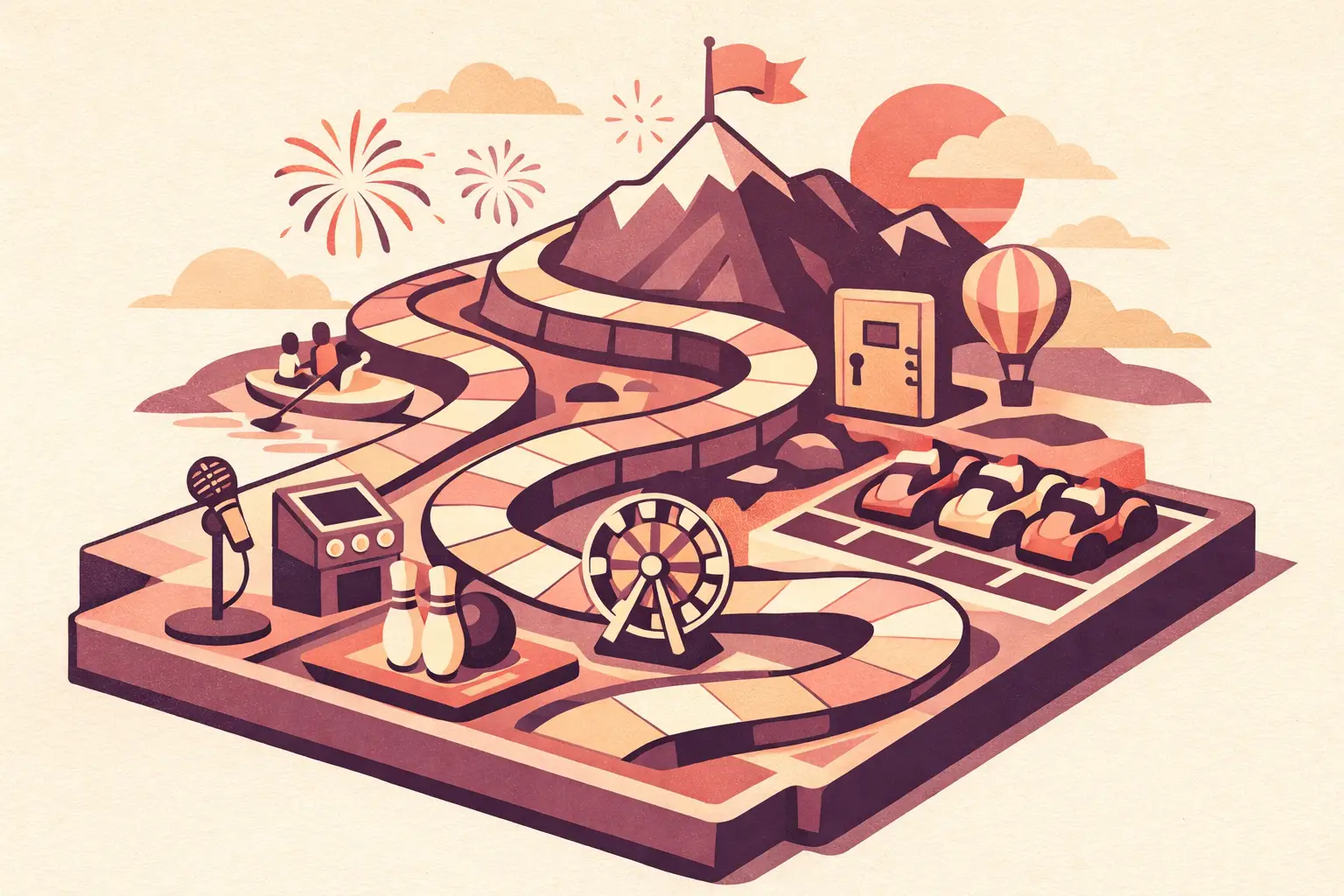
A birthday dinner can be great, but it rarely gives people a story to tell the next day. The best group celebration experiences put everyone in the middle of the action, give the group something to react to, and create a reason to laugh, compete, and work together.
That matters whether you are planning a birthday, a graduation, an office win, a family reunion, or a long-overdue night out with friends. The right activity does more than fill time between dinner and drinks. It gives the whole group a shared mission.
What Makes a Celebration Experience Worth Booking?
A strong group activity has to work for more than the guest of honor. If half the group is watching while the other half participates, the energy drops fast. Look for an experience that gets people talking, moving, solving, creating, or competing together.
The best options also match the occasion. A casual friend group may want high-energy competition and a little chaos. A corporate team may need a setting that encourages communication without feeling like a meeting. Families need something flexible enough for different ages and comfort levels. There is no single best format for every celebration, but there are clear signs that an activity will bring people together instead of leaving them checking their phones.
Timing is another factor. An activity with a defined start and finish makes planning easier, especially when guests are arriving from different parts of Philadelphia. It leaves room to add dinner, dessert, or drinks before or after without turning the entire event into a scheduling puzzle.
Best Group Celebration Experiences for Active Fun
Escape rooms
Escape rooms are built for the kind of celebration where everyone wants a role. Your group enters a themed environment, follows clues, solves puzzles, and works toward a shared objective before time runs out. One person might spot a hidden pattern while another cracks a code or connects the details of the story.
That mix is what makes an escape room especially effective for birthdays, friend groups, families, and team events. Nobody needs to be an expert to contribute. The fun comes from comparing ideas, testing theories, and getting that rush when a locked compartment finally opens.
For groups seeking an escape room in Philadelphia, MindEscape gives players an immersive, in-person challenge that feels more memorable than another round of appetizers. It is a solid choice when you want the celebration itself to be the main event.
There is one practical consideration: escape rooms reward communication, so guests should be open to participating. They are ideal for groups that want to collaborate, but less fitting if the plan is a quiet, low-key gathering where people mostly want to sit and catch up.
Game nights with a real competitive edge
Arcade outings, trivia, bowling, mini golf, and game lounges can all create easygoing competition. These are useful choices when your group includes people who may arrive at different times or prefer to rotate in and out of activities.
The trade-off is that these formats can become fragmented. Small groups often split up, especially in a busy arcade or large venue. If the purpose of the celebration is getting everyone to connect, choose a game format that keeps the group on the same team or brings everyone back together for a final round.
Hands-on classes
Cooking classes, pottery sessions, painting events, and craft workshops give guests something physical to take home. They are often a strong fit for smaller celebrations where conversation matters as much as the activity.
These experiences tend to be calmer than a mission-based game or competition. That is a plus for groups that want a relaxed pace, but it may not deliver the same energy for teens, large friend groups, or coworkers ready to do something more active.
Choose the Experience Based on Your Group
The guest list should shape the plan before the occasion does. A fun idea can miss the mark if it asks too much of the wrong group.
For a birthday with close friends, choose an activity that sparks playful competition and gives everyone something to celebrate afterward. Escape rooms, team challenges, and interactive games work well because the group creates a shared memory rather than simply attending the same venue.
For family celebrations, think about age range, mobility, and how comfortable each person is with competition. A puzzle-driven activity can be excellent because different people contribute in different ways. The fast observer, the patient organizer, and the person who notices an odd detail can all help the team move forward.
For work groups, avoid activities that feel forced or overly personal. A clear team challenge is usually a better bet than an open-ended social event. It gives coworkers a common focus and lets leadership, creativity, and communication show up naturally. Keep teams balanced where possible so no single department or friend circle takes over.
For tourists or visiting friends, prioritize something that feels specific to the trip instead of something they could do in any city. Pairing an interactive activity with a neighborhood meal or a walk through Philadelphia turns a few hours into a complete outing.
How to Plan a Group Celebration Without the Usual Stress
Start with a realistic headcount. You do not need every RSVP before choosing an idea, but you do need a likely range. Some activities have strict team sizes, while others are easier to adjust if a few people cancel at the last minute.
Next, decide what kind of energy you want. Do you want guests dressed up and relaxed, laughing over a meal? Do you want them racing against a clock, cheering each other on, and talking through the best moments afterward? Make that choice first, then select the venue.
Budget should cover the full outing, not just the booking. Factor in transportation, parking, food, drinks, gratuity, and any decorations or add-ons. A ticketed activity can actually make costs easier to manage because the main entertainment expense is clear from the beginning.
Book earlier than you think you need to, particularly for weekend celebrations and larger groups. Once the reservation is confirmed, send guests a simple message with the arrival time, address, expected duration, and whether food plans come before or after. Clear details prevent late arrivals from becoming the main drama of the night.
Finally, do not overpack the schedule. One excellent activity plus a meal or dessert stop is usually enough. When every minute is planned, guests spend more time rushing than celebrating.
Small Details That Make the Event Feel Bigger
The best celebrations have a little intention behind them. You do not need matching shirts or a huge production, although those can be fun for the right group. A quick team photo, a birthday card signed by everyone, a playful team name, or a reserved table afterward can make the occasion feel personal.
If you are organizing for someone else, think about what they actually enjoy. The social person may love a large, energetic team event. The puzzle fan may want a challenge with real stakes. The person who hates being the center of attention may appreciate a group activity where the focus stays on the whole team.
Give the guest of honor a small decision, too. Let them choose a team name, pick the post-event dessert, or decide where the group goes next. That keeps the celebration centered on them without placing them under a spotlight all night.
The right plan does not need to be complicated. Choose an experience that asks people to participate, leave room for conversation afterward, and make the reservation before the group chat turns into 87 unanswered messages.
Choose the Celebration Path Before the Room
A birthday, family outing, and office celebration may use the same escape room but need different planning. Start with the occasion: dedicated birthday packages add private play and lounge time, families need age and atmosphere guidance, and companies need an event inquiry for logistics.
Then choose the room. Thai Prison is Medium for 2–12 with seated-accessible puzzles; Jack is Medium for 2–8 with dark suspense; Greenhouse is Hard for 2–8 with flashing lights and scents. The best fit depends on the people celebrating.
Use these MindEscape planning paths
- birthday packages — review current party sizes and lounge details
- family planning guide — check age, supervision, and atmosphere
- company event inquiry — confirm an organized workplace celebration
- room comparison — match the selected occasion to a current game